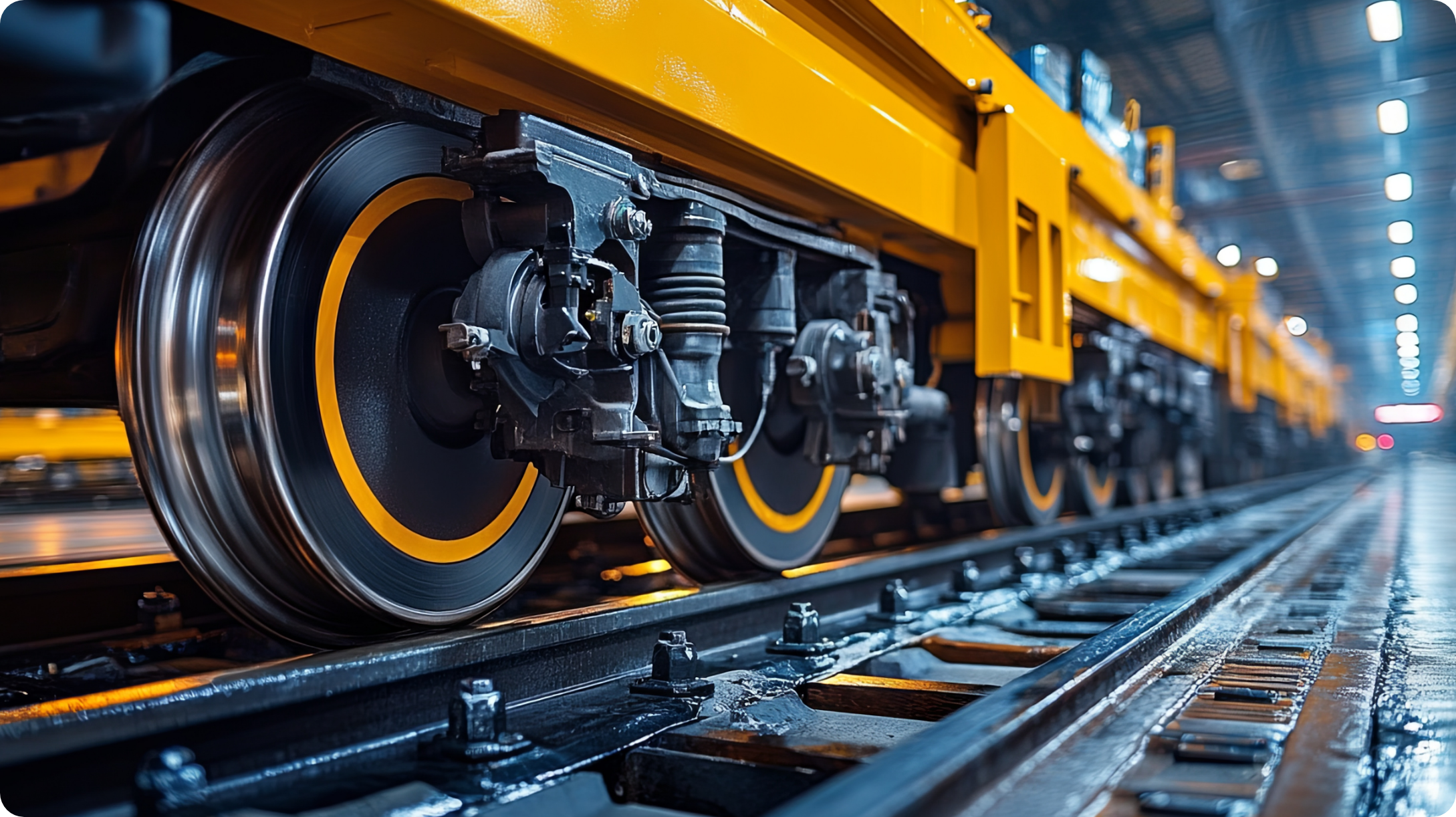
The client faced significant inefficiencies in detecting flat wheels on trains, which required manual inspection of each wheel. Existing manual inspection methods were labor-intensive and struggled to deliver the precision and scalability needed to maintain safety standards across expansive rail networks.

Python

GSM communication module

Vibration sensors

Image processing technology

Data analytics platform



The expansion of high-speed rail networks and the increasing complexity of modern rail systems demand detection systems that are not only precise but also scalable and efficient. However, outdated practices and fragmented operations often hinder progress, making real-time data integration across vast rail networks a challenge. Traditional methods like manual flat wheel inspections are resource-intensive, slow, and prone to errors—limitations that become more apparent as train volumes surge. Without a shift toward smarter, automated solutions, scalability remains a persistent roadblock in the evolution of rail infrastructure.
For our client, a major player in railway infrastructure management, the challenge was further amplified by fragmented maintenance workflows and limited real-time visibility into wheel health. Their existing systems operated in silos, resulting in high incident rates, delayed resolutions, and limited visibility into key performance indicators (KPIs). In addition, fragmented support and incident management left critical infrastructure vulnerable, increasing operational costs and service level agreement (SLA) inconsistencies. To tackle these issues, they needed a transformative solution capable of detecting flat wheels proactively—integrating seamlessly with their maintenance systems to enhance rail safety and optimize operational workflows.
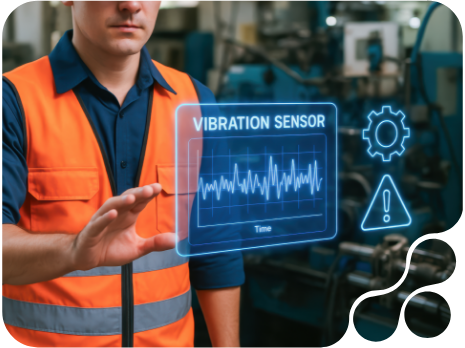
Bosch SDS developed a robust flat wheel detection system using a GSM-enabled device integrated with vibration sensors. The device, mounted on rails, measures vibration patterns to identify flat wheels accurately.
The solution also utilizes image processing to capture coach and loco numbers, providing a holistic view of wheel health across the fleet. The solution features included:









Bosch SDS delivered significant improvements in accuracy and efficiency through our AI-powered approach to flat wheel detection, addressing key challenges and unlocking new capabilities for the client.

Accuracy in flat wheel detection

Significant efficiency gains with automation

Scalability to handle larger datasets

Greater precision and reliability in critical processes

Predictive maintenance capabilities

Enhanced decision-making through explainable AI

Minimized human errors in repetitive tasks

Consistent, accurate data collection and reporting
Combining advanced sensor technology, GSM communication, and image processing, Bosch SDS provided a robust and scalable solution for safety and efficiency. By optimizing AI models to align with railway safety standards, we automated flat wheel detection and positioned the client as an industry innovator. Our expertise in AI, computer vision, and vibration analysis enabled the client to benefit from faster, more reliable maintenance cycles, significantly reducing risks and operational disruptions. With this future-ready, AI-powered system, the client now conducts faster, more reliable flat wheel detection, ensuring higher efficiency, accuracy, and regulatory compliance.